


By: Ava Eucker
Each year, the GLFx network expands in new and enriching ways, and in 2025, the GLFx chapter network and the GLFx Secretariat team worked together to kick off four GLF Thematic Hubs.
These hubs are a knowledge-sharing initiative seeking to strengthen local action, build networks of solidarity, and influence the broader discourse on sustainable landscape management by convening representatives of community-led organizations who are working specifically with each hub’s focus area.
To ensure these groups span globally, they are hosted through virtual calls and consist of an initial meeting where everyone can share about their work and learn from one another. Additionally, the GLF invites experts to share resources and ideas, further catalyzing opportunities for knowledge exchange at a global scale.
Last year, the GLFx network kicked off four thematic hubs that will continue to meet throughout the first half of 2026. Here’s an overview of the fruitful ideas that arose across the four Thematic Hubs, confirming the power of collective discussion and networks of solidarity and support.
Agroecology and agroforestry
Around the world, communities are working with agroecology, a holistic way to manage food and farming systems, and agroforestry, integrating trees and other plants into agricultural planning to diversify land use.
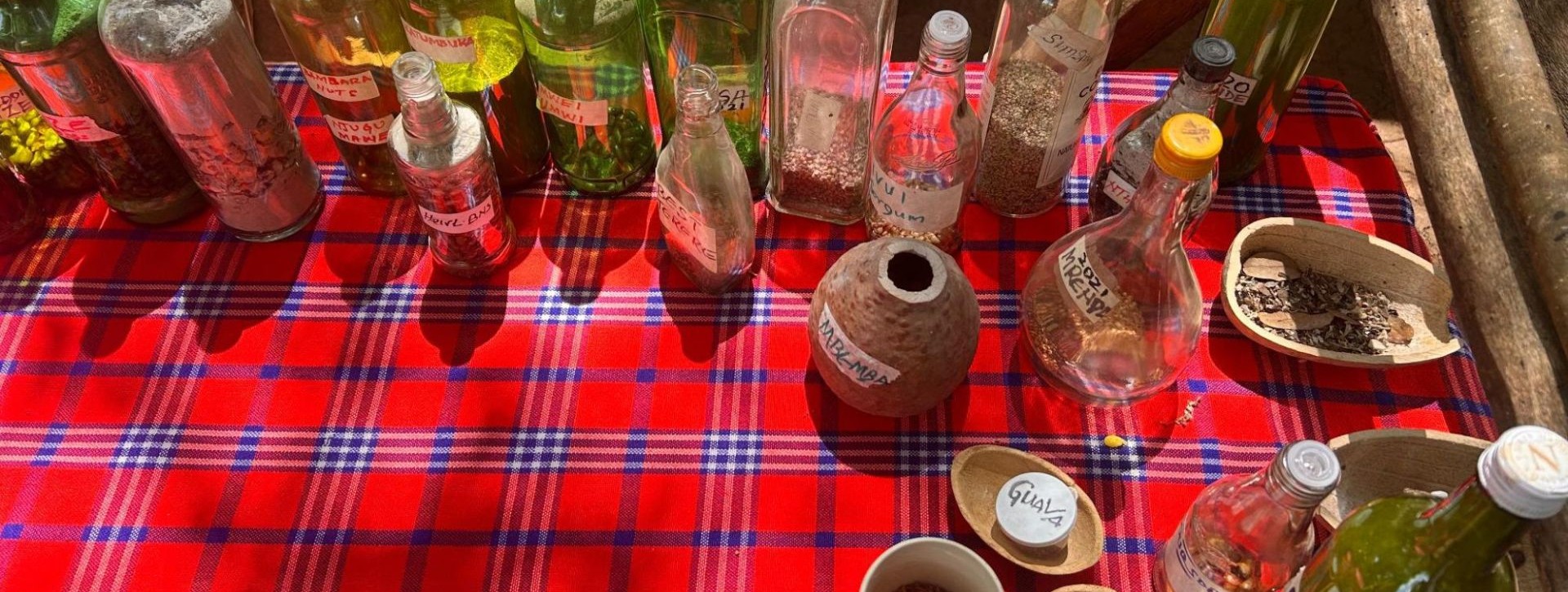
There are many ways to do this, which were discussed in this hub, including making seed banks and propagating plants using cuttings. Others are exploring the world of permaculture, creating community gardens, and adopting participatory organic certification schemes to increase their local livelihoods.
Godfrey Karema from GLFx Nyanza, hosted by the Dufatanye Organisation in Rwanda, shared their successes in inviting community members to their hands-on demo agroforestry plot called the Green Village of Hope. They’ve also hosted hands-on training with hundreds of youth and community members in climate-resilient agriculture.
By showing, rather than telling, they’ve inspired many to start mulching and composting and embracing agroforestry to diversify land use and enrich their soils.
Folks from GLFx Da Nang in Vietnam spoke about the importance of citizen science and social inclusion to address how scientists and community volunteers can work together to document the survival rates of trees and other plants.
Many relayed the importance of creating economically viable situations that invite young people to work and live in rural landscapes, especially by creating opportunities for women and youth, such as running nurseries or creating value-added products to sell in local markets.
Furthermore, they are spreading awareness about how to boost food and nutritional security among households and in communal spaces such as schools by creating community gardens.
One of the agroecology and agroforestry hub sessions was held in collaboration with the Sustainable Agriculture Network (SAN). One of the member organizations of SAN is the Assocación Mexicana de Bosques Comestibles (AMEBOSCO), which works with Indigenous Peoples and rural families to restore land in Mexico by creating edible gardens.
By equipping people with small plots of high-yield crops to shorten value chains, invited expert Nicolas Didier Terrien, shared how AMEBOSCO helps communities earn more by growing and selling spices and other crops. In doing so, communities are boosting their nutrition, livelihoods and overall wellbeing.

Sustainable value chains and ecopreneurship
Ecopreneurship is the practice of creating businesses that are ecologically sound and economically viable, and there are many ways communities are creating such businesses by venturing into ecotourism, finding nature-based solutions and entering carbon and biodiversity markets.
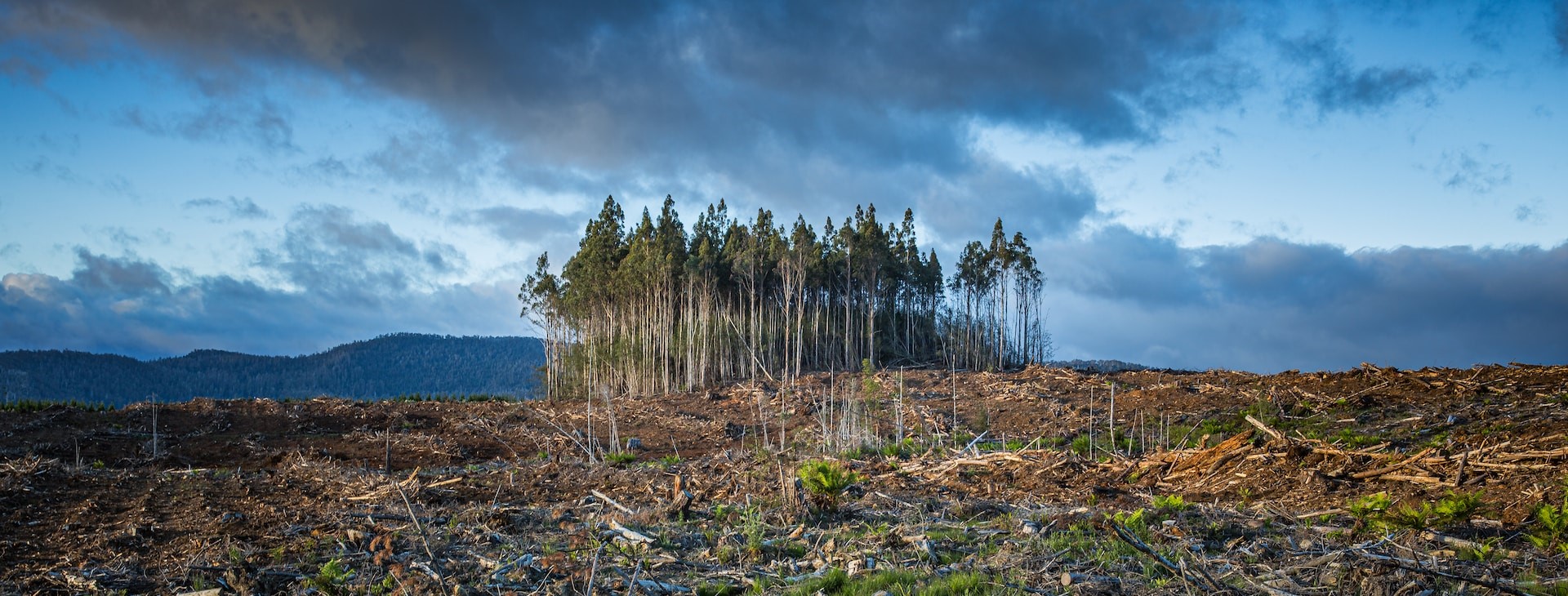
This can also look like consuming and selling non-timber forest products, such as berries or syrups, that combat the need for deforestation, often linked to the extractive timber industry.
In Colombia, Daniela Daza and Robinson Urrea talked about how GLFx San Rafael is using locally available materials for bioconstruction, further welcoming ecotourism opportunities while ensuring that the tourism industry isn’t destructive to the waters and forests in the area.
In Vietnam, Hanh Vu shared how GLFx Da Nang is teaching their community which plants can help stave off annual floods, protecting their crops and livelihoods.
By buying locally and integrating environmental, social governance (ESG), communities can create more sustainable value chains, which reduce the ecological impact on the planet.
Erin Wright, part of GLFx Da Nang, works with educational groups in the UK, Australia and Switzerland, setting up multi-day village homestays in Vietnam for these students to do volunteer land work. She mentions the value of this not only to help locals with labor without exploitation, but also because the value for the students is new knowledge and understanding.
This ecopreneurship model is a great example of a way to bring pride to locals and ensure their restoration work is long-lasting, while also educating young minds who will return home and continue to spread their messages of ground-up conservation.

Marine restoration and conservation
Folks from coasts around the world are doing amazing community-led work to protect marine health, but they often face challenges in securing funding to implement more advanced monitoring systems.
Geneve Guyano, from GLFx Mindanao, hosted by Oceanus Conservation, mentioned that funding is necessary to start using systems such as using drones to monitor their work, as well as securing greater internet access in remote areas to install monitoring apps or use cloud computing that relies on shared servers with greater storage and internet capacity.
As an expert invited to the hub, Sonya Dyah Kusumadewi, CIFOR-ICRAF senior research officer, shared examples of community-based restoration monitoring systems that utilize apps and digital tools to log transparent data analysis, reporting and track stakeholder engagement. She also talked about the importance of developing locally accepted, ecologically feasible community-based restoration business models.
Several people mentioned examples of such community-based business models related to creating value-added products, such as syrups and chips from coastal plants, which help diversify their livelihoods without damaging their ecosystems.
Erlangga, a green financing and landscape management officer with CIFOR-ICRAF, was another expert invited to the hub. He highlighted the importance of corporate social responsibility programs (CSR) in doing their part to re-green landscapes.
Additionally, Erlangga shared options for financing marine restoration and conservation, including exploring ethical blue carbon markets that promote benefit sharing through policy alignment at the local and regional scale.

Terrestrial restoration and conservation
Landscapes are living systems and conservation is often best approached when humanized and led with community stewardship.
In Colombia, folks from GLFx Tolima are creating biological corridors to protect the endemic bird, the Tolima Dove, by humanizing conservation and having the community lead the planning of this work.
Similarly, Javie Barcinal, co-coordinator of GLF Panay from the Philippines, is working to protect the Dulungan Hornbill bird by addressing systemic problems such as hunger, which leads people to kill wild animals. By promoting environmental education activities and agroecology workshops, they are helping protect this native bird and its important role in their ecosystem.
For Sarasi Silvester in GLFx Kalimantan, hosted by the Ranu Welum Foundation, teaching students about Indigenous value systems and histories is an equally important aspect of preserving ecological knowledge and forest health. This sort of knowledge sharing can be done even when confronting a lack of reliable transportation and internet access in remote areas.
Takondwa Khondiwa from GLFx Lilongwe in Malawi shared how they are doing riparian restoration along rivers and lakes by grafting trees and restoring soils by doing erosion control. They are also facing great water stress in Malawi and, therefore, are creating swales and drip irrigation.
Despite increasing water stress, human-wildlife conflicts and the challenges that can come with advocating for land-use change, there are many incredible efforts happening to restore and conserve land around the globe.
Looking ahead
The work of the Thematic Hubs will be carried forward into 2026, as landscape leaders and experts continue to meet to discuss resources and methods related to each of these key areas of focus.
We hope that through these hubs, people find a greater network of solidarity, new professional contacts for knowledge sharing and are inspired to deepen the incredible work they are doing in their communities across Africa, Asia and Latin America.


Share your thoughts with us