


- Today, the World Bank launches the report “Agriculture Rooted in Biodiversity,” outlining immediate opportunities to build resilient agricultural landscapes
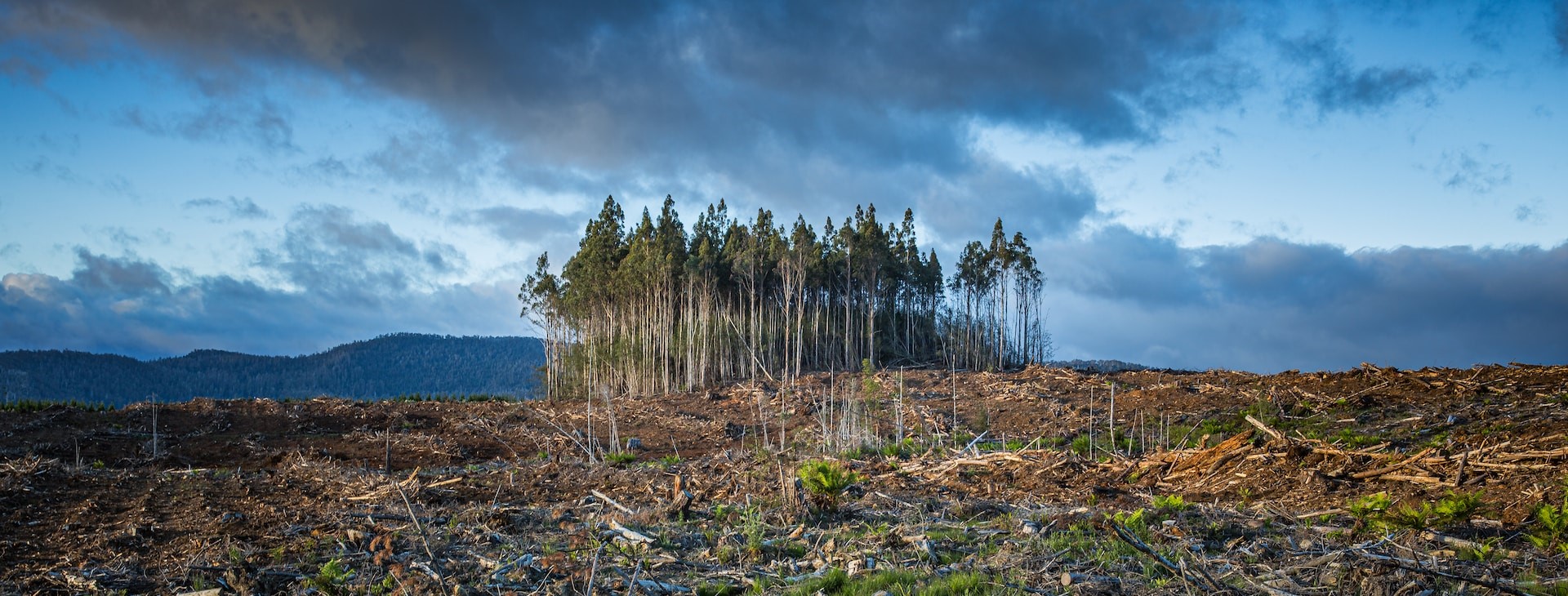
- With up to 40 percent of land worldwide degraded, ecosystem diversity underpins the natural services that sustain agriculture
- Long-term public funding is needed for local context-specific research and farmer incentives as part of a wider shift toward sustainable practices
Bonn, Germany (11 December 2025) – The World Bank’s new report, “Agriculture Rooted in Biodiversity,” underscores the urgency of protecting life diversity in ecosystems across the planet to safeguard crop and livestock production and the livelihoods that rely on it.
Up to 40 percent of the world’s land area is degraded, jeopardizing the livelihoods of at least 3.2 billion people and causing economic losses worth more than 10 percent of annual global GDP.
The report, aimed at government agencies and ministries, development partners and multilateral development banks supporting governments, provides the knowledge, policy tools and investment options needed to boost biodiversity and meet growing food demand and improve healthy diets globally.
It illustrates the impact of diversity at genetic, species and ecosystem levels and how it helps maintain soil health, regulate water quality and flows, pollination, control pests and disease and regulate climate, among other vital ecosystem services.
“Integrating farming and biodiversity should also be the business of ministries of agriculture and finance – working hand in hand with farmers, investors and researchers. Because it makes good economic sense,” said Juergen Voegele, Vice President, Planet, World Bank.
“When nature and biodiversity collapse, agriculture pays the price. Agricultural losses from water-related shocks have increased by an astounding 65 percent over the last century, exceeding $300 billion annually,” Voegele added.
The report also highlights how unsustainable agricultural practices such as monocropping, overgrazing and excessive water extraction are driving biodiversity loss. It calls for a transition to sustainable approaches backed by long-term public funding for context-specific research and incentives for farmers, who face high initial investment costs and long payback periods.
At a time when agricultural support incentivizes unsustainable practices, the report shows how policy and investment can target practices that improve both biodiversity and productivity.
It outlines actions that can be taken now – from applying spatial data for conservation and restoration to supporting farmers in conserving plant genetic resources and monitoring the biodiversity that sustains agriculture.
“In rural landscapes, farmers and cooperatives, are quietly showing what real solutions look like. They are conserving agrobiodiversity, protecting community led seed banks and also restoring ecosystems through agroecology,” said Shaik Imran Hussain Choudhary, Co-Founder of Prakheti Agrologics and 2025 GLF Forest Restoration Steward.
Watch the launch of “Agriculture Rooted in Biodiversity”:
Did you know?
- Wild pollinators have declined by over 40 percent in the past decade, undermining pollination, which is valued at $235–$577 billion per year
- Climate-related agricultural losses have increased by 150 percent since 1980 and now exceed $100 billion annually
- Natural vegetation loss and land conversion have increased agriculture’s vulnerability to hazards and extreme events, with an estimated production loss of $3.8 trillion over the past three decades
- Agricultural biodiversity has declined significantly, with commercial crop varieties decreasing 75 percent since 1900
________
The report was prepared by the World Bank in cooperation with CGIAR, the Wildlife Conservation Society and FAO, with financial support from Food Systems 2030, NBS Invest, Global Water Security and Sanitation Partnership and PROGREEN trust funds, and the FAO Cooperative Program.

###
NOTES TO EDITORS
For more information, or to schedule interviews, contact Kelly Quintero (k.quintero@cifor-icraf.org)
ABOUT THE GLF
The Global Landscapes Forum (GLF) is the world’s largest knowledge-led platform on integrated land use, connecting people with a shared vision to create productive, profitable, equitable and resilient landscapes. It is led by the Center for International Forestry Research and World Agroforestry (CIFOR-ICRAF), in collaboration with its co-founders UNEP and the World Bank, and its charter members. Learn more at www.globallandscapesforum.org.


Share your thoughts with us